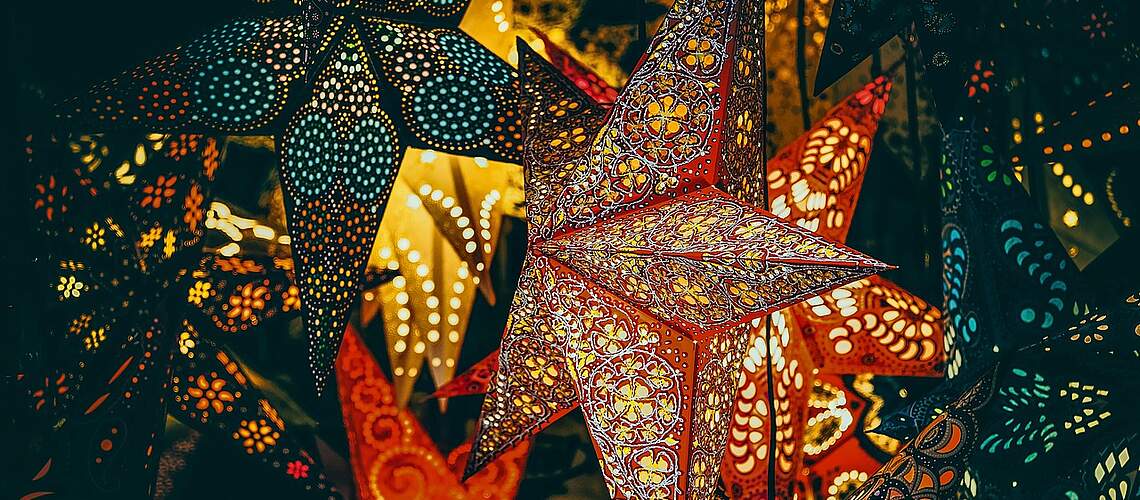
Regional Christmas Traditions in Germany
Christmas in Germany is not only a festival of lights, but also a journey through many regional traditions. Those traveling through the country in December will experience a mixture of old stories and lively rituals that create a unique atmosphere in each region. In our blog post, we show you how exciting and diverse the Advent season in Germany is and how strongly culture and history are tied together.
‘Krampus’ in Southern Germany
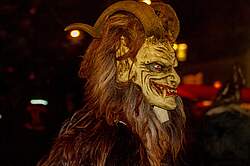
In Southern Germany, especially in Bavaria and the Alpine region, the Advent season often begins with a moment of terror. When the nights grow longer and fog hangs over the streets, the Krampus (also known as ‘Kramperl’)[1] sets out. He wears a wild mask, fur, and heavy bells, which he uses to create a hellish noise. He swings bundles of thin branches and runs through alleys, shouting loudly.
During ‘Kramperltratzn’[2], children try to tease the Krampus without getting hit by his long rods. This shows that the custom is a kind of game. In other regions, Germans celebrate St. Nicholas Day instead of Krampus Day. Just like his counterpart ‘Knecht Ruprecht’ (a regional variant of St. Nicholas' companion), Krampus puts naughty children in his sack.
[1] Derived from the Middle High German or Bavarian term ‘Krampen’, in standard German ‘Kralle’ (claw).
[2] Bavarian dialect, in standard German ‘necken’ (tease) or ‘verspotten’ (mock).
‘Perchten’ in Alpine regions
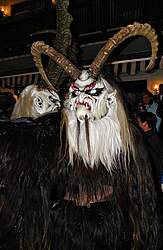
In many Alpine regions, this custom has merged with the Perchten tradition. The term derives from ‘Berchtnacht’[1], the medieval term for Epiphany, or Three Kings Day, on January 6th. There are two kinds of Perchten: the ‘Schönperchten’ (good Perchten) and the ‘Schiachperchten’ (evil Perchten). The good Perchten are visible during the day, whereas the evil ones are only seen at night.
While Krampus stands for punishment, the Perchten represent the struggle between good and evil. To this day, Perchten parades (‘Perchtenläufe’) take place during The Twelve Days of Christmas (‘Rauhnächte’)[2] in Southern Germany and the Alpine region. During a traditional Perchten parade, the Perchten march through the streets making a lot of noise with bells and whips to drive away the evil spirits of winter.
[1] Derived from the Middle High German ‘bercht’, in standard German ‘hell’ (bright) or ‘glänzend’ (glossy).
[2] The Twelve Days of Christmas starts on December 25 (Christmas Day) and ends on January 5 (Twelfth Night)
Traditions in the Ore Mountains (‘Erzgebirge’)
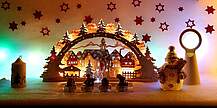
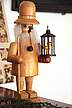
In the Ore Mountains, a region with a long mining history, Advent is celebrated more quietly. Originally, the arches above the round entrances of the mines, known as ‘mouths’, featured Christian motifs. Later, these were replaced by illustrations of the sky with the sun, moon, and stars. Since it is dark on the Earth's surface in winter, light was very important for the inhabitants of the Ore Mountains. That's how the famous ‘Schwibbögen’[1], decorative candle holders, developed from the original entrance lights of tunnels. Many craft workshops still produce colorful illuminated pyramids and incense smoke man made of wood by hand. During the so-called ‘Hutzenabende’[2], families and friends get together, drink tea, tell stories, and listen to Christmas carols. The mountain parades, in which men and women in historical uniforms march through the streets, are a reminder of the pride and community spirit of the miners of yesteryear. Anyone who has ever seen such a parade will not soon forget the festive atmosphere.
[1]In standard German ‚schweben‘ (hover)
[2] In standard German, ‘hutzen’ means ‘to huddle together’.
The tradition of ‘Rumbling’ in Northern Germany
In Northern Germany, the atmosphere and customs are different. On New Year's Eve, children and adults dress up in costumes and walk through the streets with a ‘Rumpelpott’[1], which makes a rumbling noise. They recite rhymes and sing traditional songs, receiving small gifts in return. The rumbling custom during the Twelve Days of Christmas was probably intended to drive away winter spirits in earlier times. Today, this custom brings neighbors together and brings joy to the cold season.
[1] Derived from the Low German term “rummeln” = to rumble.
St. Nicholas Day (‘Nikolaustag’) in Western and Southwestern Germany

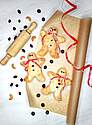
St. Nicholas plays an important role in the west and southwest. On December 6, he visits many families and is accompanied by characters such as Knecht Ruprecht and Hans Muff. Like Krampus, St. Nicholas's sinister companions act as bogeyman. However, they are less frightening than Krampus in the south. The night before St. Nicholas Day, children clean and polish a pair of shoes or boots and then place them by the front door. In the morning they’ll find their shoes filled with small gifts and treats. Sweet baked figures made from yeast dough, which can be found in bakeries everywhere, are also typical of St. Nicholas. Depending on the region, these figures are called ‚Stutenkerl‘, ‚Weckmann‘, or ‚Dambedei‘.
All these customs show how colourful and lively the German Christmas season is. They tell of times gone by, of hope in winter, and of the desire to get through the dark days together. Traditions connect people, families, and entire communities. Children grow up with them, adults remember winters past, and older people enjoy talking about the celebrations of their childhood.
You can find out more about Christmas traditions in Germany in our blog German Christmas traditions – popular all over the world.
